
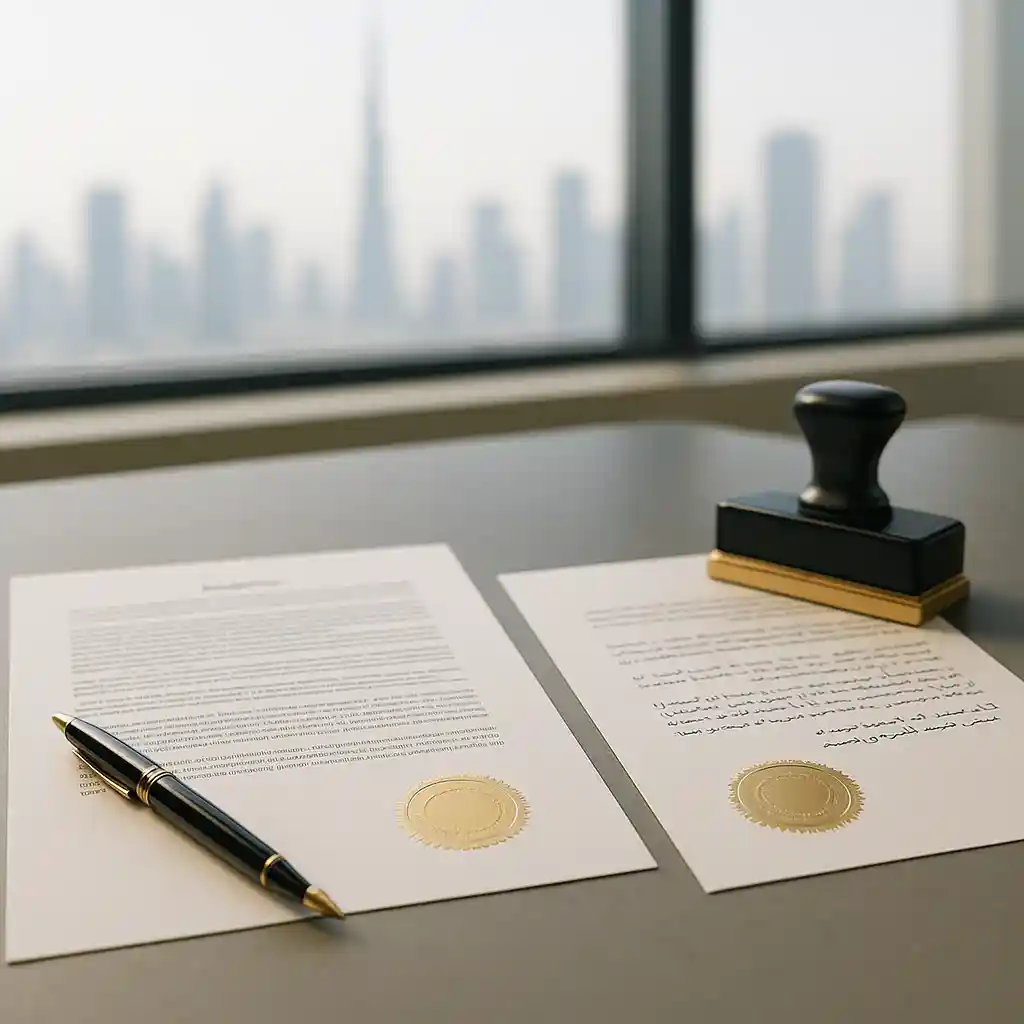
In a city as multilingual and multicultural as Dubai, translation isn’t just about switching words from one language to another; it’s about preserving meaning, intent, and cultural nuance. This is where equivalence in translation becomes essential.
Whether you’re translating legal documents, marketing campaigns, or technical manuals, achieving equivalence helps ensure your message stays accurate, impactful, and culturally appropriate, which is why many businesses rely on Right Way translation services Dubai for professional, culturally aware translations.
Understanding Equivalence in Translation
Equivalence in translation means preserving the same meaning, tone, and intent when shifting a message from one language to another. Instead of literal wording, the goal is to deliver the same clarity and impact in both languages.
1. Why Equivalence Goes Beyond Literal Translation
Literal translations often sound awkward or even misleading. Equivalence focuses on the intended meaning, not just the surface-level words.
2. Real Example from Day-to-Day Life
Imagine translating a marketing slogan. A direct translation may sound unnatural, but an equivalent version conveys the same excitement and message.
Why Equivalence Matters So Much in Dubai
Dubai is home to more than 200 nationalities, each with its own expressions, humor, tone, and communication style. That’s why equivalence plays a key role across different industries.
1. Ensures Clear and Accurate Communication
In a global business hub like Dubai, misunderstandings can be costly. Equivalence ensures that contracts, proposals, and instructions mean the same for everyone involved.
2. Helps Maintain Cultural Sensitivity
Some phrases or gestures may not translate well across cultures. Equivalence helps adapt content so it respects local customs without losing its original purpose.
3. Builds Trust With Multilingual Audiences
When customers feel understood in their language, they trust your brand more. Equivalent translations help create that connection.
Types of Equivalence in Translation
Understanding the different forms of equivalence helps you appreciate how a professional translation company in Dubai maintains meaning across languages.
1. Formal Equivalence
- Focuses on accuracy and preserves the original wording.
- Best for legal, academic, and technical documents.
Example: Translating government forms or court documents in Dubai.
2. Dynamic Equivalence
- Prioritizes meaning and reader experience over literal wording.
- Ideal for marketing, customer service, and lifestyle content.
Example: Translating ads for Dubai’s tourism campaigns.
3. Textual and Cultural Equivalence
- Adjusts phrases for cultural readability.
- Ensures content feels natural to the local audience.
Example: Adapting idioms or jokes for Arabic- or English-speaking audiences.
How Equivalence Improves Translation Quality in Dubai
Whether you’re working with translators or translation agencies, understanding the benefits of equivalence can help you choose the right approach.
1. Strengthens Brand Messaging
Brands operating in Dubai’s competitive market need consistent messaging across different languages. Equivalence helps maintain your brand tone everywhere.
2. Improves User Experience
From websites to instruction manuals, readers feel more comfortable when content flows naturally, not like a stiff, robotic translation.
3. Reduces Misinterpretations
Especially in legal, healthcare, or technical fields, misinterpretations can cause problems. Equivalence promotes clarity and accuracy.
Conclusion
Equivalence in translation ensures your message stays accurate, culturally appropriate, and meaningful, no matter the language. In a diverse city like Dubai, this approach doesn’t just improve communication; it builds trust and strengthens your brand, especially when paired with a strong understanding of the Language Translation Process.
Start applying the concept of equivalence today, and you’ll see clearer, more natural translations that truly connect with your audience.